
Hearing Screening
Hearing Screening for Early Detection and Peace of Mind
A hearing screening is a simple, approachable first step for anyone who has started to notice changes in hearing clarity, speech understanding, or listening comfort. At Padgett Hearing Aid Center, we understand that hearing concerns do not always begin with obvious hearing loss. Sometimes they begin with small changes, such as needing the television a little louder, asking loved ones to repeat themselves more often, missing parts of conversations in restaurants, or feeling unusually tired after listening for long periods of time.
A hearing screening gives us a helpful starting point. It is designed to identify whether there may be signs of hearing difficulty that deserve a closer look. While a screening is not the same as a complete diagnostic hearing evaluation, it can help determine whether your hearing appears to be within an expected range or whether additional testing may be recommended.
For many adults, a hearing screening offers reassurance. If you have been wondering whether your hearing has changed, a screening can help you take action without feeling overwhelmed. It is a practical way to check in on your hearing health, ask questions, and better understand whether the challenges you are noticing may be related to hearing changes.
What a Hearing Screening Can Tell You About Your Hearing
A hearing screening can help us identify whether you are responding to sounds at levels that suggest your hearing may need further evaluation. During a basic screening, we may look for general patterns in how you hear certain tones, speech sounds, or listening cues. The goal is not to provide a full diagnosis, but to determine whether your results indicate a possible concern.
A hearing screening may help answer questions such as:
- Are there signs that your hearing may have changed?
- Are you missing sounds in certain pitch ranges?
- Could your listening difficulties be related to hearing loss?
- Should you consider a more complete hearing evaluation?
- Is there a reason to monitor your hearing more closely over time?
This type of appointment is especially helpful when symptoms are mild, occasional, or difficult to explain. Many people can hear sound but still struggle to understand speech clearly. Others hear well in quiet rooms but have difficulty in group settings, restaurants, family gatherings, or places with background noise. A screening can help us decide whether those concerns should be explored further.
At Padgett Hearing Aid Center, we want patients to feel comfortable asking questions early. You do not need to wait until hearing challenges interfere with your daily life. A hearing screening can be a positive, proactive step toward better awareness and peace of mind.
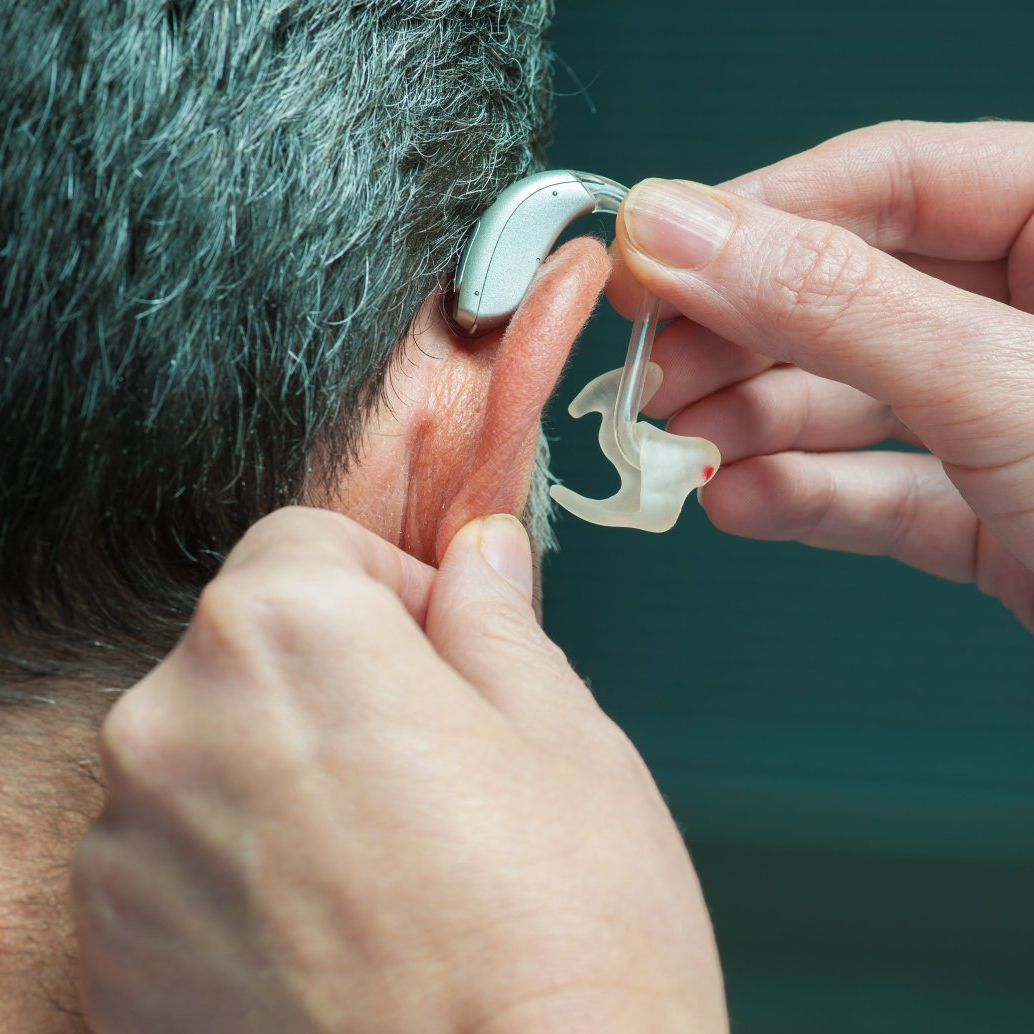
When a Hearing Check Makes Sense for Adults and Seniors
Hearing changes can happen gradually. Because they often develop over time, many people adapt without realizing how much extra effort they are using to follow conversations. Adults and seniors may begin filling in missed words, watching faces more closely, avoiding noisy environments, or relying on others to repeat important information. Over time, these small adjustments can become frustrating and tiring.
A hearing screening makes sense when you notice changes in how easily you communicate. It is also a good idea if family members or friends have mentioned that you may not be hearing as well as you used to. Loved ones often notice hearing changes before the person experiencing them does, especially when the changes affect everyday conversations.
You may benefit from a hearing check if you:
- Frequently ask people to repeat themselves
- Feel that others are mumbling
- Have trouble following conversations in background noise
- Turn the television or radio up louder than others prefer
- Hear speech but struggle to understand the words
- Feel tired after social events or meetings
- Avoid phone calls because voices are unclear
- Miss doorbells, alarms, timers, or other household sounds
- Have a history of noise exposure
- Have not had your hearing checked in several years
For seniors, regular hearing checks can be an important part of overall wellness. Hearing plays a major role in communication, independence, safety, and social connection. When hearing changes go unaddressed, everyday activities may become more difficult than they need to be. A simple screening can help determine whether hearing care should be part of your wellness plan.
A hearing screening can also be useful for adults who are not sure whether their concern is serious. You may not feel ready for hearing aids or a full evaluation, and that is completely understandable. A screening gives us a starting point and gives you information. From there, we can discuss whether monitoring, additional testing, or a more complete evaluation is the best next step.
Common Symptoms That May Point to Hearing Changes
Hearing loss does not always sound like silence. In many cases, it sounds like confusion, muffled speech, or missing pieces of conversation. You may hear that someone is talking, but not catch exactly what they said. This is one reason people often delay care. They assume their hearing is fine because they still hear sound, even though understanding speech has become more difficult.
Common symptoms that may point to hearing changes include:
- Speech sounds unclear, muffled, or distant
- You understand better when you can see the speaker’s face
- Conversations are harder in restaurants, churches, meetings, or family gatherings
- Children’s voices or higher-pitched voices are more difficult to understand
- You often mishear words or respond incorrectly
- You feel left out of conversations
- Listening requires more concentration than it used to
- You experience ringing, buzzing, or other sounds in the ears
- You feel frustrated when communicating with others
- You avoid social situations because hearing feels stressful
Listening fatigue is another important sign. When the brain has to work harder to fill in missing sounds, communication can become exhausting. You may feel drained after a normal conversation, meeting, or dinner with family. This fatigue is real, and it can affect your confidence, patience, and willingness to participate in daily activities.
If these symptoms sound familiar, a hearing screening can help you decide what to do next. It is not about labeling the problem or rushing into treatment. It is about taking a clear, comfortable first step toward understanding what may be happening.

Signs You May Need More Than a Basic Screening
A basic hearing screening is helpful, but it has limits. If the screening suggests possible hearing loss or if your symptoms are affecting your quality of life, we may recommend a full hearing evaluation. A complete evaluation gives us a more detailed picture of your hearing ability, including the type, degree, and pattern of hearing loss.
You may need more than a basic screening if your hearing concerns are ongoing, worsening, or interfering with communication. You should also consider a full evaluation if your screening results are outside the expected range or if you have symptoms that need closer attention.
A full hearing evaluation may be recommended if:
- You have difficulty understanding speech regularly
- Your screening indicates possible hearing loss
- Hearing challenges affect work, family life, or social activities
- You experience tinnitus, such as ringing or buzzing in the ears
- One ear seems worse than the other
- You have sudden hearing changes
- You feel pressure, pain, or fullness in the ear
- You have a history of ear infections, ear surgery, or significant noise exposure
- You are interested in hearing aid options
- You want a complete baseline of your hearing health
A full evaluation provides more information than a screening. It allows us to measure how you hear different pitches and how well you understand speech. It may also include a closer look at factors that could affect your hearing, such as wax buildup or other visible concerns in the ear canal. With more complete results, we can make more personalized recommendations.
At Padgett Hearing Aid Center, our goal is to make this process clear and comfortable. We take time to explain what your results mean and what options may be available. If hearing aids or other solutions are appropriate, we will discuss them with you in a way that is practical and easy to understand.
When to Schedule a Full Evaluation After a Screening
You should schedule a full hearing evaluation after a hearing screening if the results suggest a possible hearing concern or if your symptoms continue even when the screening seems normal. Screenings are useful, but they do not always capture every listening challenge, especially difficulty understanding speech in noise.
A full evaluation is the right next step when you want more complete answers. It can help us understand whether hearing loss is present, how it may be affecting your communication, and what type of support may help you hear more clearly.
Consider moving forward with a full evaluation if you:
- Still feel unsure about your hearing after the screening
- Have noticed gradual changes over months or years
- Struggle most in noisy or group settings
- Need others to repeat themselves often
- Feel that hearing challenges are affecting relationships
- Want to compare current results with future hearing changes
- Are ready to explore treatment options if needed
We believe early action can make a meaningful difference. When hearing changes are identified sooner, patients have more time to understand their options and make informed decisions. Even if treatment is not needed right away, a full evaluation can create a valuable baseline for future hearing care.

Frequently Asked Questions About Hearing Screening
What is a hearing screening?
A hearing screening is a basic check of your hearing ability. It helps identify whether you may have signs of hearing loss or whether a more complete hearing evaluation may be needed.
Is a hearing screening the same as a hearing evaluation?
No. A hearing screening is a first step that helps determine whether further testing is recommended. A full hearing evaluation is more detailed and provides a clearer understanding of your hearing ability, speech understanding, and possible treatment options.
Who should get a hearing screening?
Adults and seniors should consider a hearing screening if they notice changes in hearing clarity, have trouble understanding speech, feel tired after listening, or have been told by others that they may not be hearing well.
How often should adults have their hearing checked?
Many adults benefit from periodic hearing checks, especially as they get older or if they have a history of noise exposure. If you are noticing symptoms, it is best to schedule a screening rather than wait.
What happens if I do not pass a hearing screening?
If your screening suggests possible hearing loss, we may recommend a full hearing evaluation. This allows us to gather more detailed information and explain what your results mean.
Can I have hearing loss even if I still hear sound?
Yes. Many people with hearing loss can hear sounds but struggle to understand speech clearly. This is especially common in background noise or group conversations.
Does a hearing screening hurt?
No. A hearing screening is typically simple, comfortable, and noninvasive. Our goal is to make the experience easy and informative.
When should I schedule a full hearing evaluation?
You should schedule a full evaluation if your screening results show a concern, if your symptoms continue, or if hearing difficulties are affecting your conversations, confidence, or daily life.
Take the First Step Toward Clearer Hearing
If you have noticed changes in hearing clarity, speech understanding, or listening energy, we invite you to schedule a hearing screening with Padgett Hearing Aid Center. Our team is here to make the process approachable, informative, and comfortable from the start.
A hearing screening can help you stop guessing and start understanding what may be happening with your hearing. Whether your results provide peace of mind or point toward the need for a full evaluation, we will guide you through the next step with care and professionalism.
Contact us today to schedule your hearing screening and take a confident first step toward better hearing health.
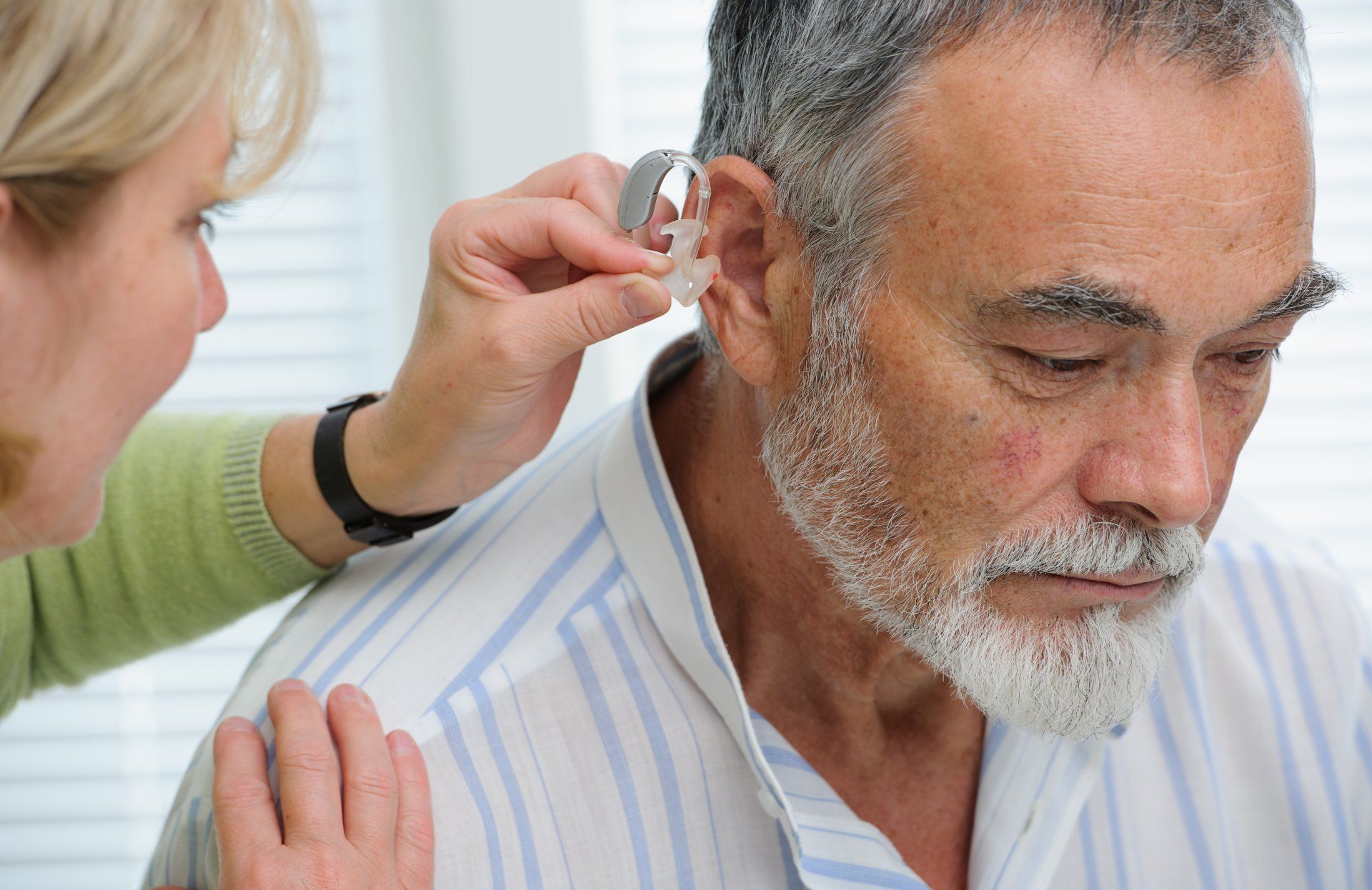
Contact Us Today
Our innovative hearing testing and solutions are unparalleled. We’ll help you discover clear hearing again. Call us today to schedule your appointment.